

How Rain Affects River Tubing Safety and Conditions
How Rain Affects River Tubing Safety and Conditions
If you're checking the forecast before a Saco River trip, you're already thinking like a smart tuber. Rain is part of life in the White Mountains, and it doesn't automatically mean your plans are ruined. Understanding how rainfall changes river conditions is the key to making a safe, confident call about whether to go.
Not all rain is equal, and that's the most important thing to know before you decide. A passing drizzle and two days of mountain downpours affect the Saco in very different ways. This article walks through exactly what happens to water levels, current speed, and river hazards when rain enters the picture, so you can read the signs and plan accordingly.
What Rain Does to River Conditions
Rain doesn't just make the river wetter. It changes the depth, the speed, and the overall character of the float, shifting a calm, beginner-friendly stretch into something that demands more experience and attention. Understanding those changes at a foundational level helps every tuber make better decisions.
Rising Water Levels
Even a modest rise in water depth creates new risks. When the river runs higher, previously shallow areas that offered easy footing become unpredictably deep, and submerged rocks that would normally be visible can disappear entirely. For families with young children and first-time tubers, these changes can happen faster than expected.
Runoff and Drainage Patterns
When rain falls across the White Mountains, the surrounding terrain channels that water directly into the Saco. Forested hillsides release runoff gradually through root systems and soil, but any open or developed land nearby causes faster, more concentrated surges. That's why the Saco can rise noticeably even after a seemingly light mountain shower.
How Rain Affects Current Speed
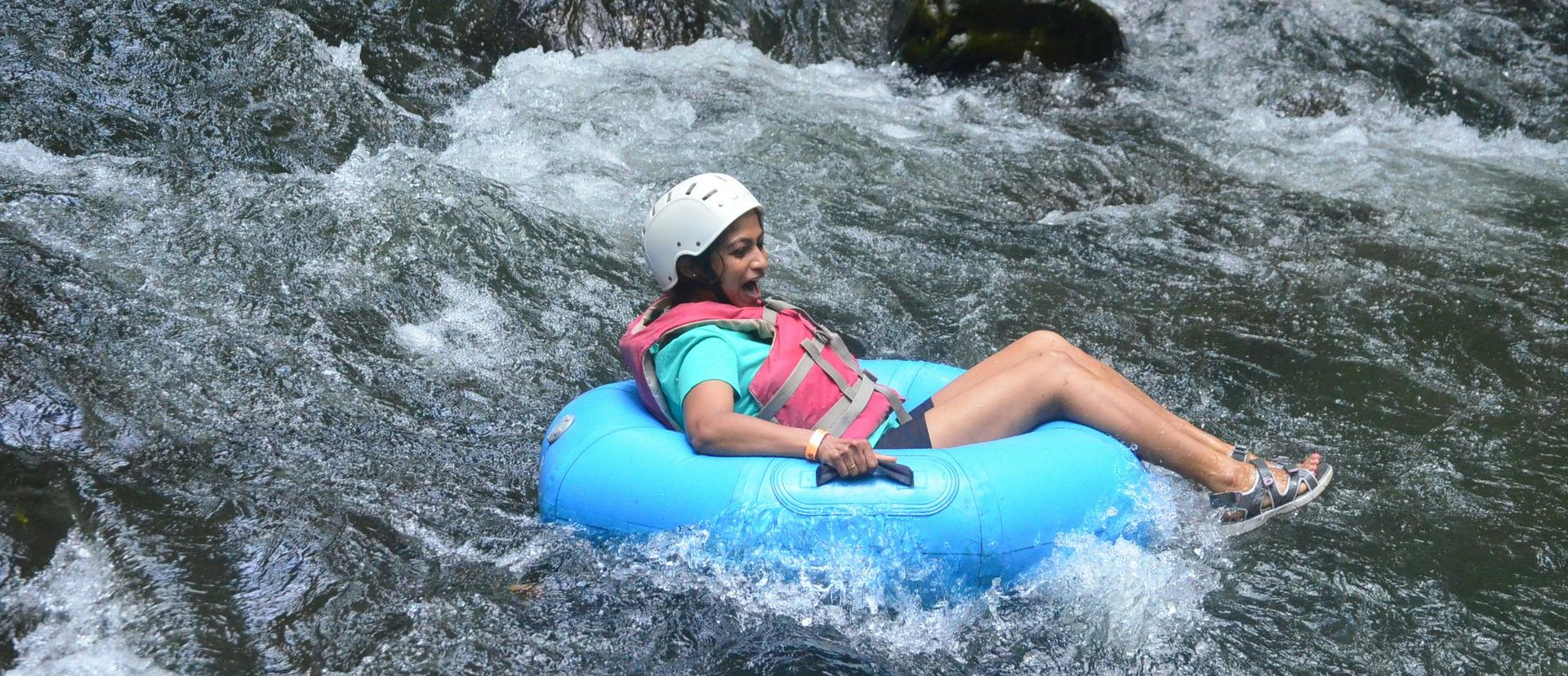
Current speed is often the most immediately noticeable change after rainfall, and it's where a leisurely float can turn risky in a hurry. First-timers sometimes underestimate current strength because a fast-moving river can look deceptively calm from the bank.
Moderate vs. Heavy Rainfall
A moderate shower may only add a subtle pull to the current, enough that tubers notice but can still navigate comfortably. Heavy or sustained rain is a different story. It can double or even triple the river's flow velocity, and even small speed increases around sharp bends can strip a lighter rider or a child of any ability to steer.
Reading Current Conditions On-Site
A simple and practical way to gauge current speed is to toss a leaf or a small stick into the water and watch how quickly it moves downstream. If it shoots away faster than you can walk, take that as a clear signal to pause and check real-time gauge data on the river conditions page before launching.
Debris and Hidden Hazards After Rain
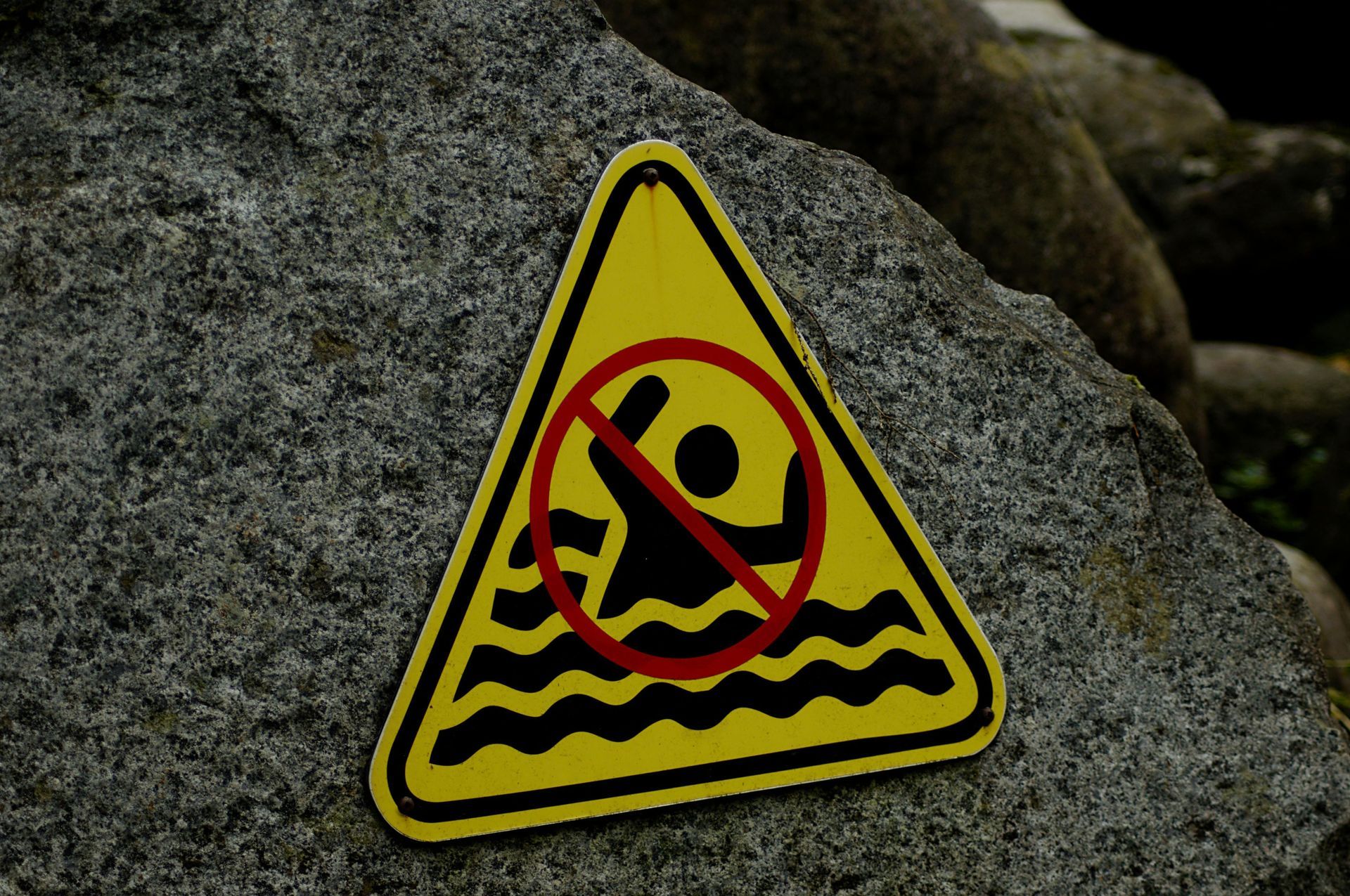
Rainfall doesn't just change the water. It changes what's in the water. Branches, logs, and other debris get swept off riverbanks and into the channel, creating floating hazards that can surprise a tuber mid-float in a way no weather app will warn you about.
Floating Debris on the Surface
In a fast current, a waterlogged branch isn't just an inconvenience. It becomes a fast-moving object that can knock a tuber off balance or pin them against a bank. Before any group launches, a quick visual scan of the water from the put-in point is a simple habit that pays off.
Submerged Rocks and Tree Stumps
Higher water hides obstacles that would normally be plainly visible. A rock formation that was above the waterline last Tuesday can be completely submerged after a rainy weekend, and the stronger current can also shift debris positions, meaning hazards that weren't there before a storm can appear without warning.
Water Clarity and Visibility
Rain stirs sediment up from the riverbed, turning the Saco's normally clear water murky and brown. When visibility is reduced, tubers lose one of their most useful navigational cues: the ability to see the bottom and spot obstacles below the surface before they become a problem.
After heavy rain, sediment typically takes a day or two to resettle and water clarity to return. Waiting out that window doesn't just make for a safer float. It makes for a noticeably more enjoyable one, with clear water, visible sandbars, and the scenic experience the Saco is genuinely known for.
Light Rain vs. Heavy Rain
There's a real difference between a light drizzle and a hard, sustained downpour, and treating them the same way is where many tubers go wrong. This section is about helping you draw that line clearly.
Tubing in a Light Drizzle
A light drizzle on a warm summer day typically has minimal impact on water levels, especially if it passes quickly and upstream weather is clear. Many guests actually enjoy the refreshing feel of a soft rain on the river. Check the gauge regardless, dress in quick-dry layers, and go have fun.
When Heavy Rain Changes Everything
Heavy or sustained rainfall is a different situation entirely. Water levels rise fast, debris floods the channel, and currents become unpredictable within hours of a storm system moving through. If the forecast calls for significant rainfall, reviewing the river tubing safety guide before making any decisions is a smart and responsible step.
Upstream Rain Still Affects You
One of the most common misconceptions among first-time tubers is that sunny skies at the launch point mean safe conditions. The Saco collects water from a large watershed that stretches well into the mountains. Rain that fell miles upstream hours ago is still working its way down to you.
A clear, blue sky overhead tells you nothing about what happened overnight in the hills above Conway. If it rained heavily in the upper watershed, the river at your put-in point can rise significantly before a single cloud appears above you. That's why checking upstream weather and live gauge data, not just a local forecast, is always part of good pre-trip planning.
CFS Levels and What They Mean
Cubic feet per second, or CFS, is the single most useful number you can check before any river trip. It measures how much water is flowing past a given point each second and gives you a concrete, objective read on conditions rather than a judgment call based on how the water looks.
Saco River Tubing Center uses the following CFS ranges to guide participation:
| CFS Range | Conditions | Who Can Participate |
|---|---|---|
| 100 – 400 | Very slow, lazy river | Beginners and families; ideal for first-timers |
| 400 – 1,000 | Gentle current with Redstone Rapids | Everyone should be able to swim |
| 1,000 – 1,500 | Quicker water | Ages 12 and up; strong swimmers only |
| 1,500 – 2,000 | Fast-moving, advanced conditions | Adults only; all must be strong swimmers |
You can check the current CFS for the Saco on the river conditions page, which pulls live USGS gauge data.
When to Cancel Your Tubing Trip
Sometimes the right answer is simply to wait. Certain conditions make the Saco unsafe for any tubing group, and recognizing them is just as important as knowing when to go.
Postpone your trip if any of the following apply:
- An active thunderstorm is present or approaching
- A flash flood watch or warning is in effect for Carroll County
- Heavy rain has fallen for several hours in the upstream watershed
- The USGS gauge shows CFS above 2,000 or rapidly climbing
Saco River Tubing Center monitors conditions closely every day and cancels trips when safety is in question, removing the guesswork for guests who may be uncertain. Rescheduling is always the right call when conditions are borderline. The river will be there, and so will we.
Safety Gear for Rainy Conditions
The right gear matters on any tubing day, but it matters more when water levels are elevated and currents are stronger than average. Thinking through your kit before you head out is a simple way to set your group up for a good experience.
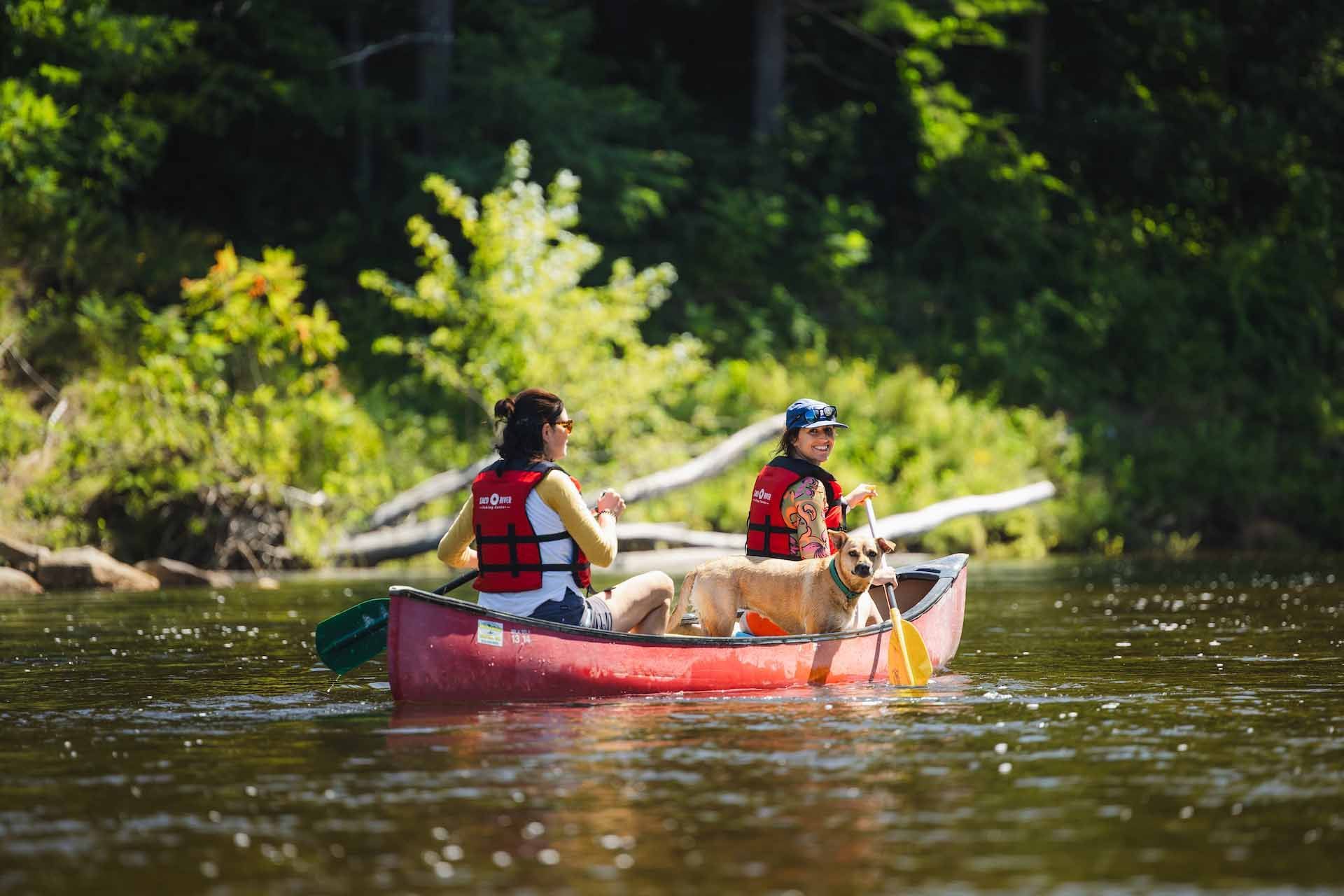
A properly fitted PFD is non-negotiable for every participant, regardless of swimming ability, and it becomes even more critical in post-rain conditions when currents are less predictable. Footwear with grip is equally important because wet entry and exit points get slippery fast. A waterproof bag for phones and valuables protects the things that matter once you're in the water. The full list of what to pack is available on the what to bring page.
How to Check Conditions Before You Go
A few minutes of preparation before you leave for the river can make the difference between a great day and a stressful one. Here's a simple pre-trip routine worth building into your plans:
- Check the USGS gauge for the current CFS at the Saco River near Conway
- Review the White Mountains regional forecast, not just the town-level forecast
- Look at upstream precipitation totals from the night before
- Visit the river conditions page for the latest water level, temperature, and float recommendations
- If anything looks borderline, call the office directly or use the contact page to ask
Families traveling from out of state often have tight schedules and limited flexibility. Building even one buffer day into a weekend trip gives you room to wait out a weather system and still get on the water before you head home. Flexibility and preparation are the two things that consistently lead to great river days.
Ready to Float the Saco This Summer?
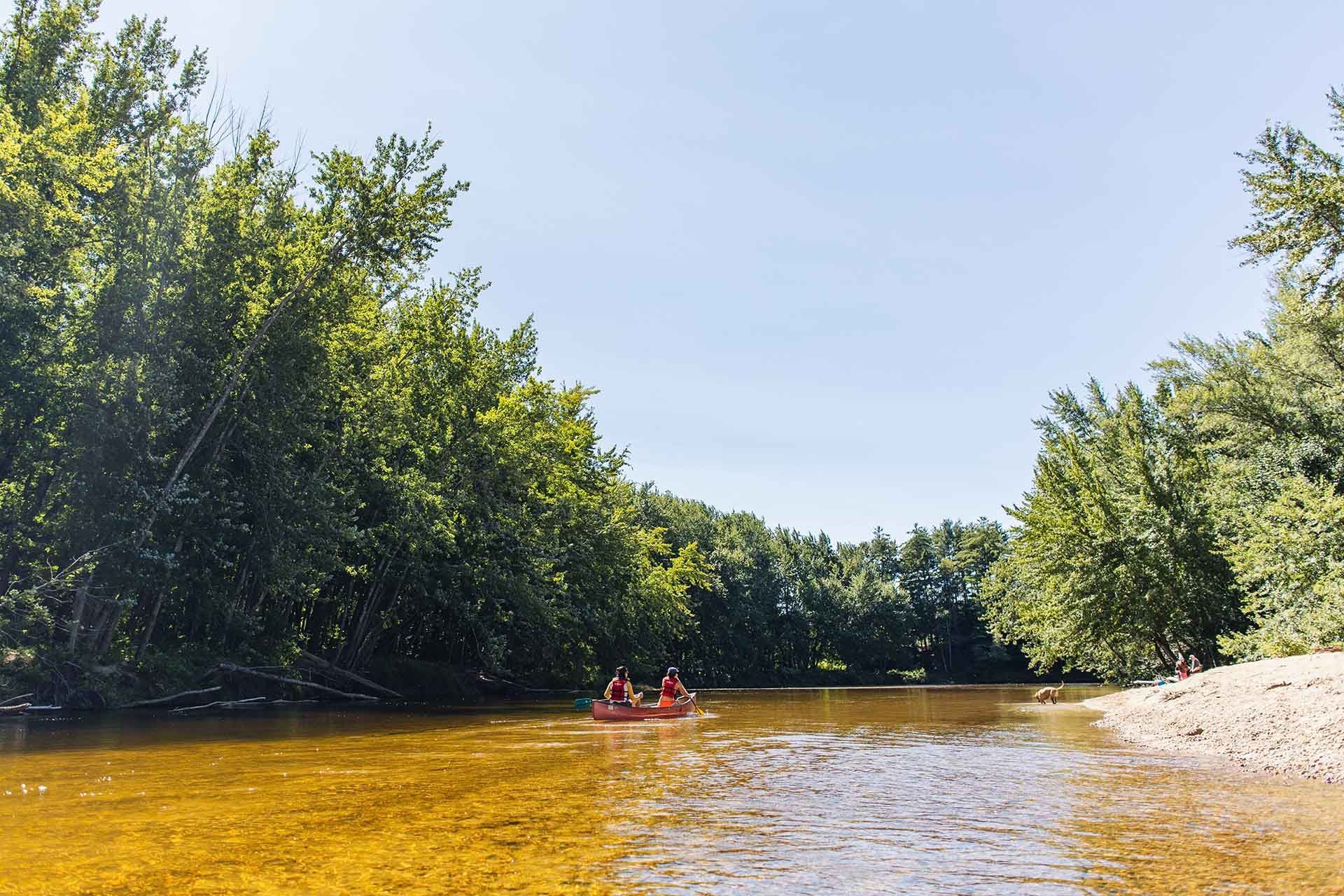
The Saco River, when conditions are right, is genuinely one of the best float trips in New England. Sandy beaches, clear water, mountain views, rope swings, and some of the friendliest staff you'll find anywhere in the region make for a day that's hard to beat. A little weather awareness is all it takes to show up on the right day.
Saco River Tubing Center monitors conditions daily throughout the season and is always happy to answer questions about whether the river is in good shape for your group. Check live conditions online, book ahead to lock in your spot, or reach out directly and let the team help you plan a trip you'll come back for every summer.