

What to Know Before Your First River Camping Trip
If the idea of sleeping beside a river sounds appealing but slightly intimidating, you are not alone. River camping has a reputation for being rugged, but it does not have to be. With the right spot and a little planning, a first trip can feel relaxed rather than risky.
This guide walks you through everything a beginner needs, from choosing a safe site to packing simple gear and understanding basic water safety. By the end, you will see why a calm, managed river like the Saco makes an ideal place to start your camping adventure.
Why River Camping Is Beginner Friendly
River camping gives you the scenery, fresh air, and unplugged feeling of the outdoors without demanding backcountry skills. You do not need to hike for miles or navigate remote wilderness. Instead, you set up near accessible water, which keeps the whole experience approachable for anyone trying it for the first time.
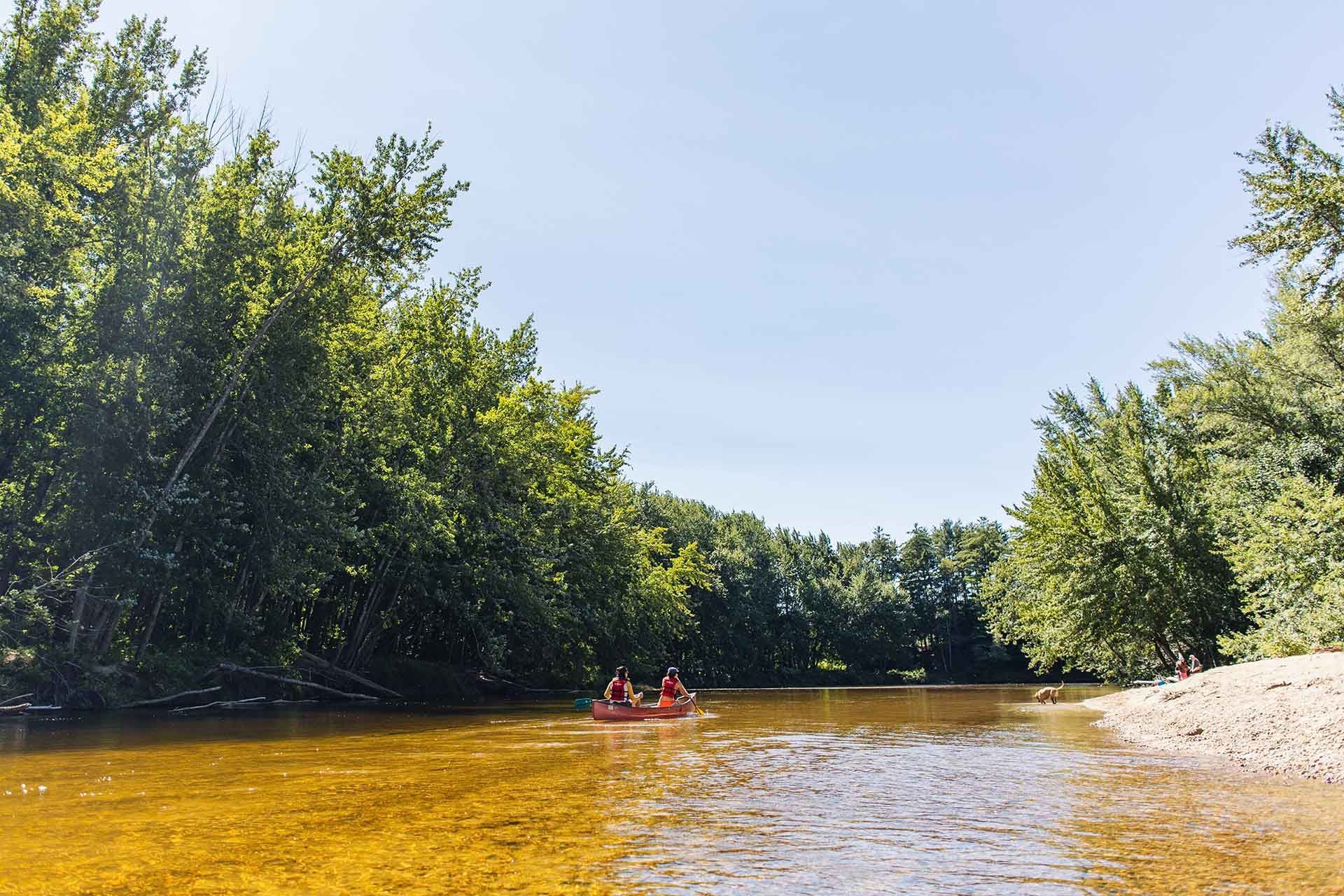
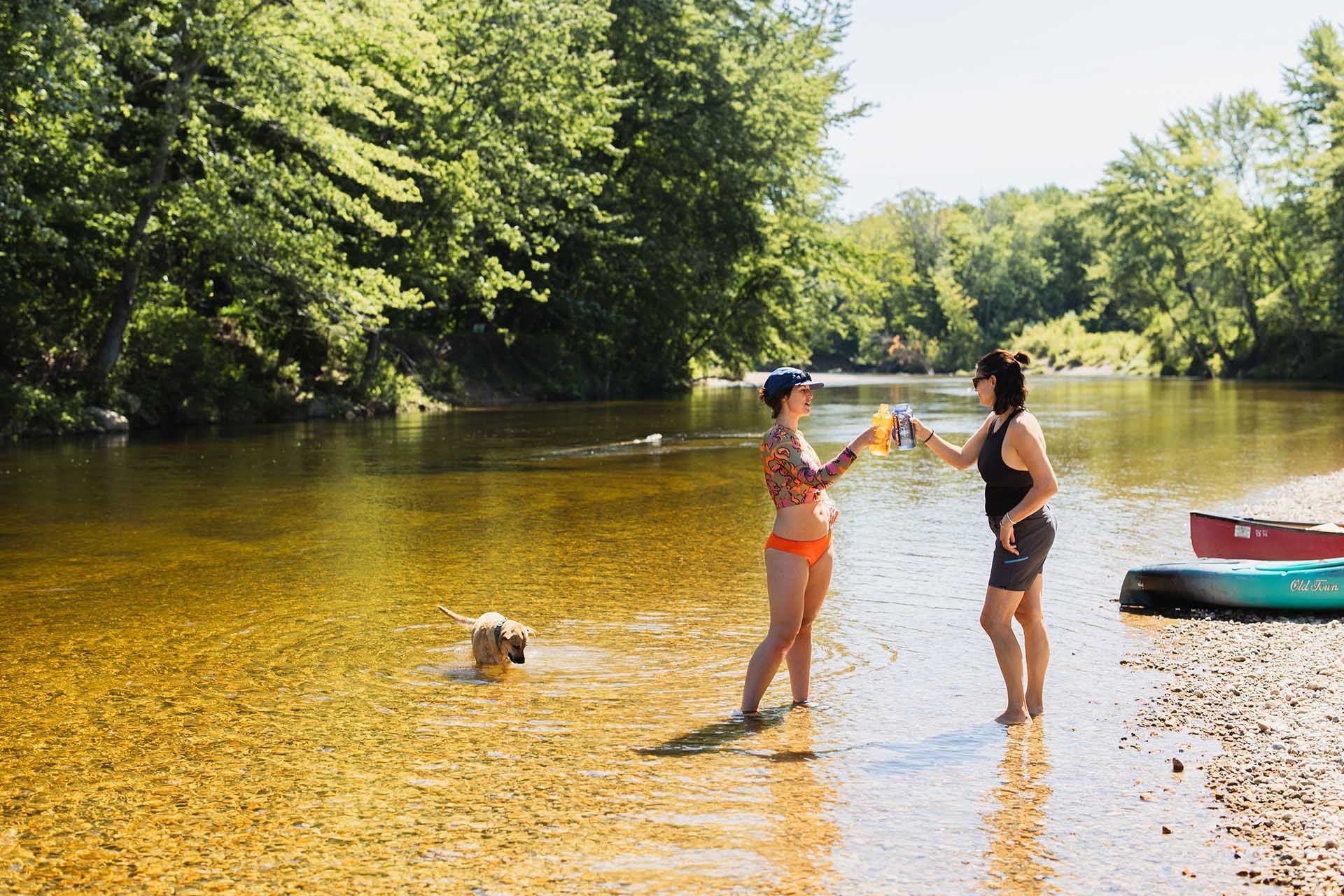
Calm, managed water makes a real difference too. When a river section is gentle and a developed area sits nearby, the usual worries fade. You can focus on relaxing by the water, roasting marshmallows, and enjoying the views rather than stressing over difficult conditions or complicated logistics.
Choosing the Right First Campsite
Where you camp matters more than almost anything else on a first trip. The right site removes stress before it starts, while the wrong one can turn a fun weekend into a frustrating one. Two factors deserve the most attention when you are choosing that beginner friendly spot.
Calm, Managed Water Access
Look for slow-moving or dam-controlled sections rather than fast current, steep banks, or unpredictable depth. Calm water is far more forgiving when you are still learning, and it lowers the chance of surprises. A gentle stretch lets you wade, paddle, and relax without constant worry about being swept along.
Conditions can shift daily on a natural river, so checking before you go is smart. The Saco River conditions page shares live water levels and flow rates, which helps you judge whether a stretch is calm enough for comfortable, beginner friendly camping and floating that day.
Easy Parking and Amenities
Developed areas with easy parking, restrooms, and on-site staff remove most of the friction from a first overnight trip. Instead of hauling gear long distances or hunting for facilities, you arrive, unload close to your site, and settle in. These small conveniences make a surprisingly big difference for newcomers.
On-site staff also bring peace of mind, since someone familiar with the area is nearby if questions come up. The Beach Camping Area along the Saco offers sandy shores, clean facilities, and 124 campsites just a mile from North Conway, making setup genuinely simple.
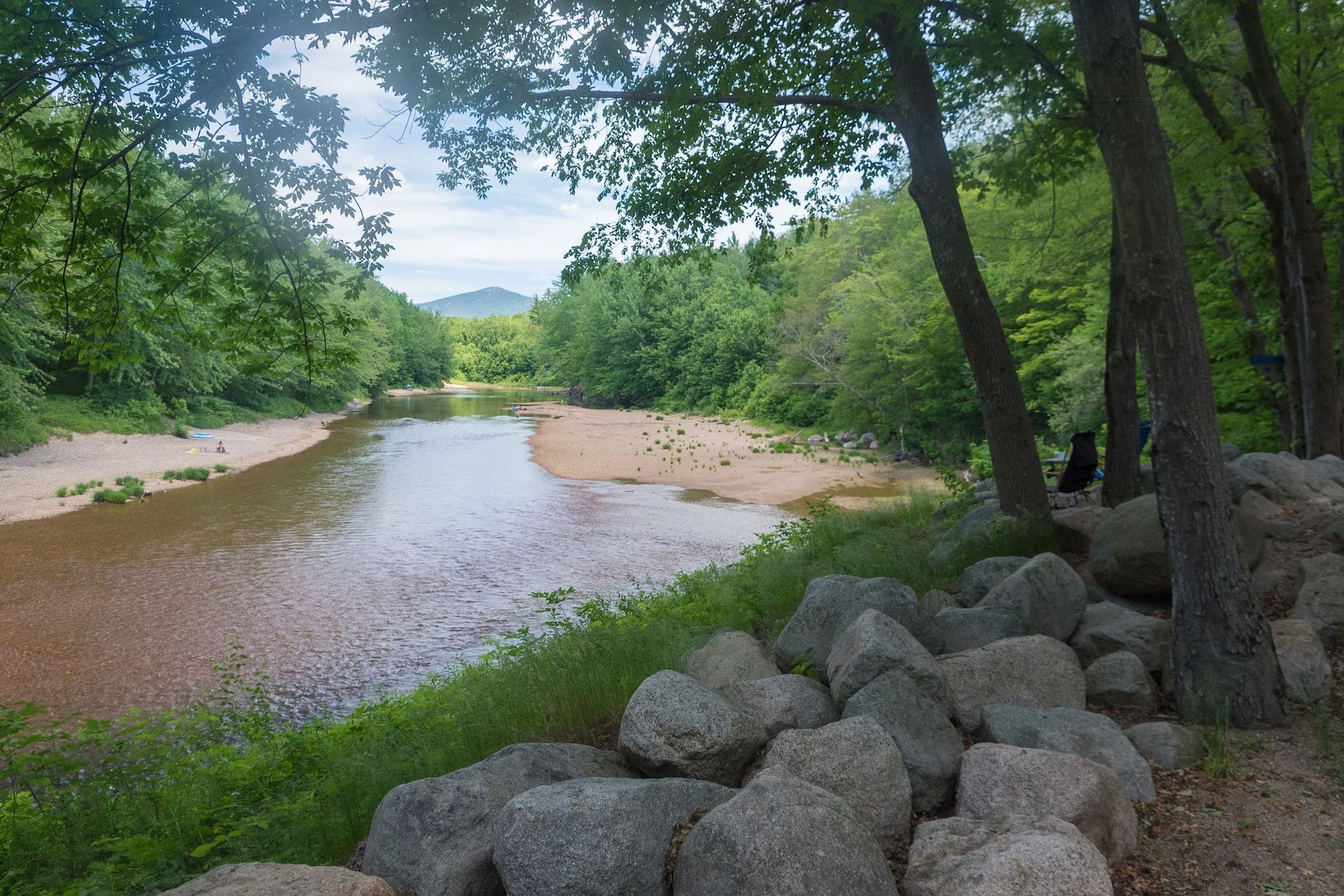
A developed beach camping area makes a first overnight simple.
Gear You Actually Need
River camping gear can stay refreshingly simple, and that is good news for your budget. You do not need expensive specialty equipment or a garage full of supplies to enjoy a comfortable night outdoors. Focusing on a few reliable essentials keeps packing easy and prevents the common trap of overpacking.
Shelter and Sleeping Setup
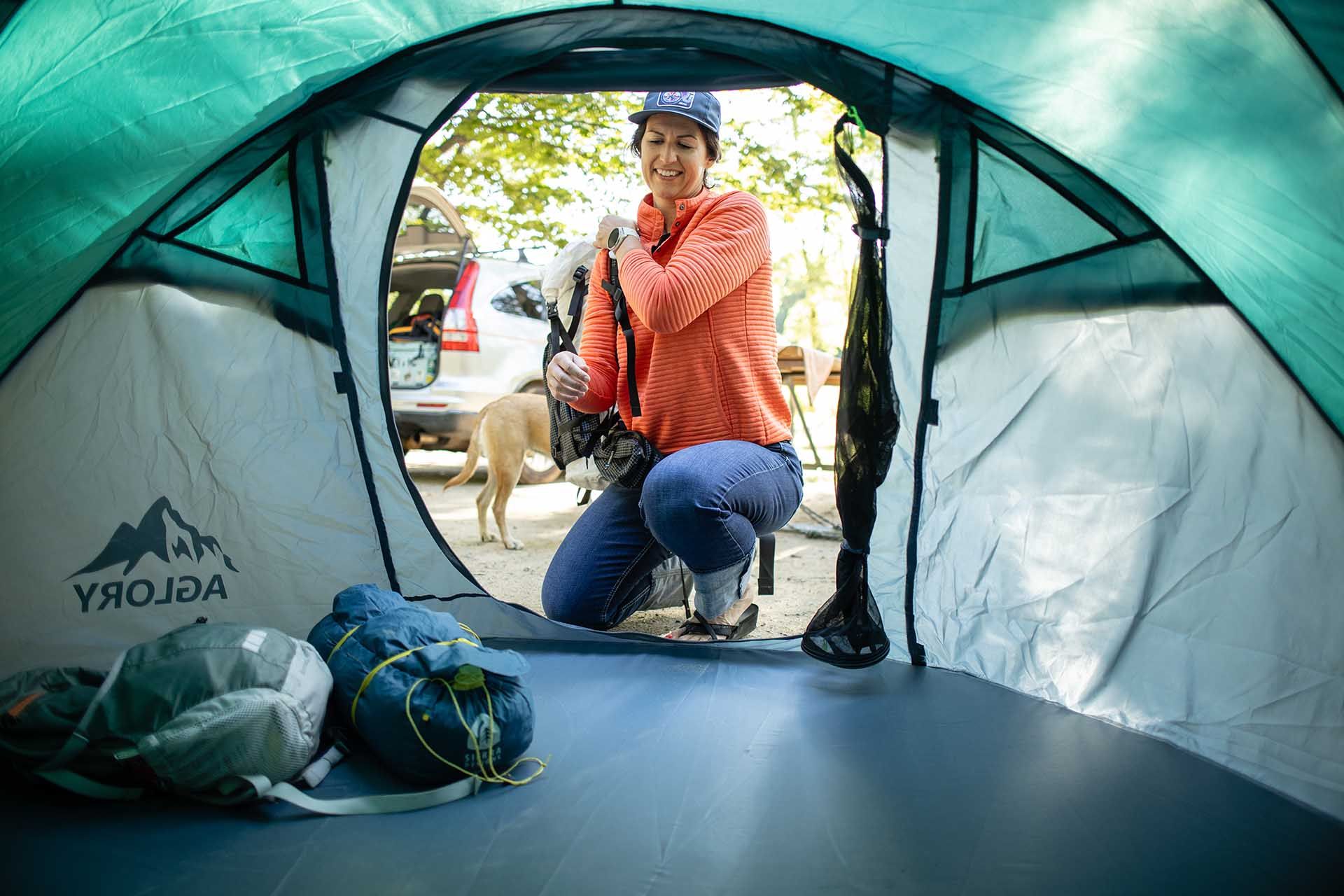
Start with a reliable tent that is quick to set up, along with a sleeping bag matched to the overnight temperature. Comfort at night sets the tone for the whole trip, so this matters. New Hampshire evenings can turn cool even in summer, so plan for cooler conditions.
Clothing and Footwear
Choose quick-drying, non-cotton clothing and secure river shoes rather than flip-flops. Wet cotton stays cold and clammy against your skin, which can leave you shivering long after a swim. Proper footwear protects your feet on slippery, rocky ground, where bare toes or loose sandals invite stubbed toes and slips.
Staying Dry and Comfortable
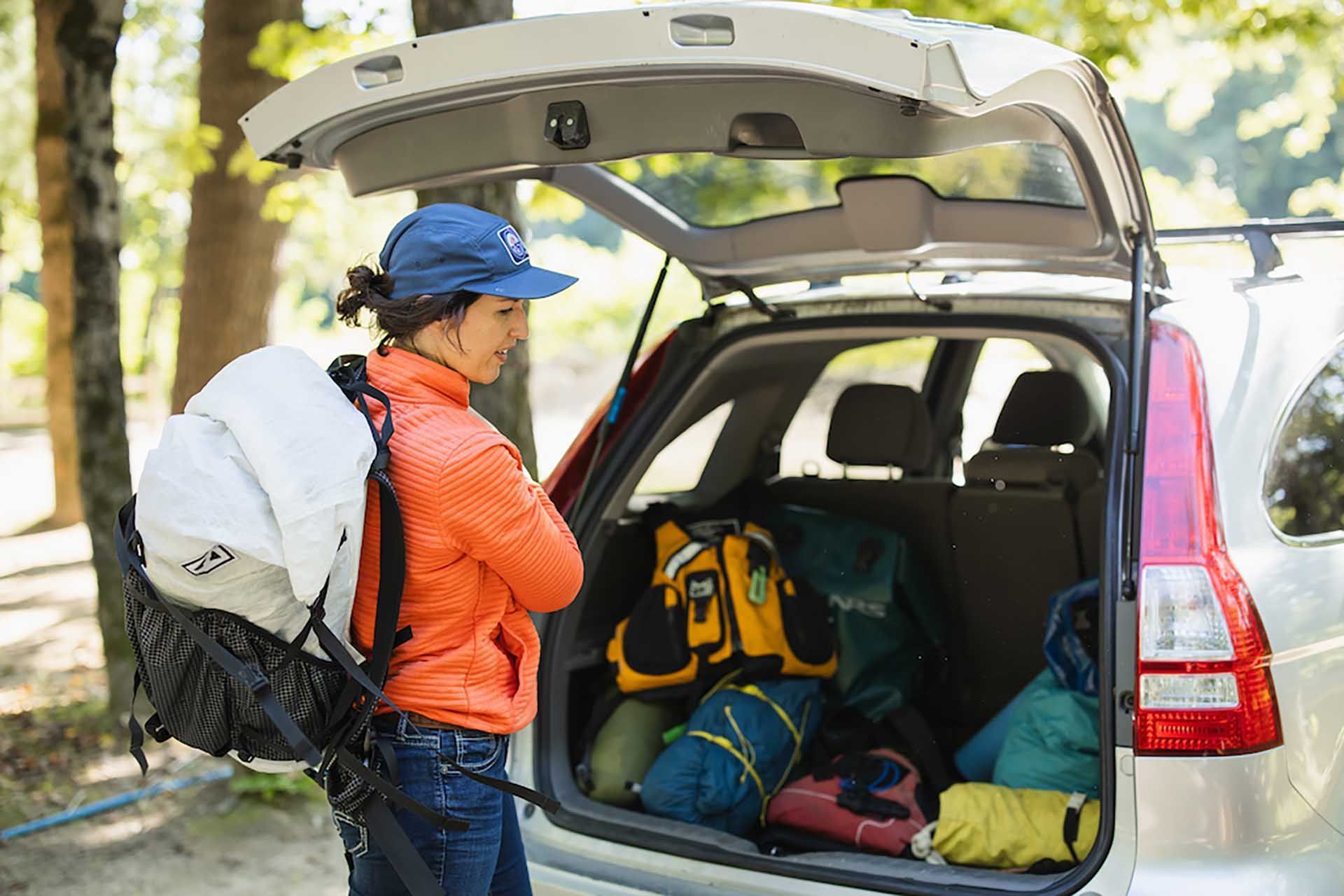
A few extra items keep riverside camping pleasant, since the ground near water is often damp. Pack a ground tarp, a headlamp, drinking water or a filter, and bug protection. For a complete rundown, the packing guide for a Saco River trip covers everything worth bringing along.
Staying Safe Near the Water
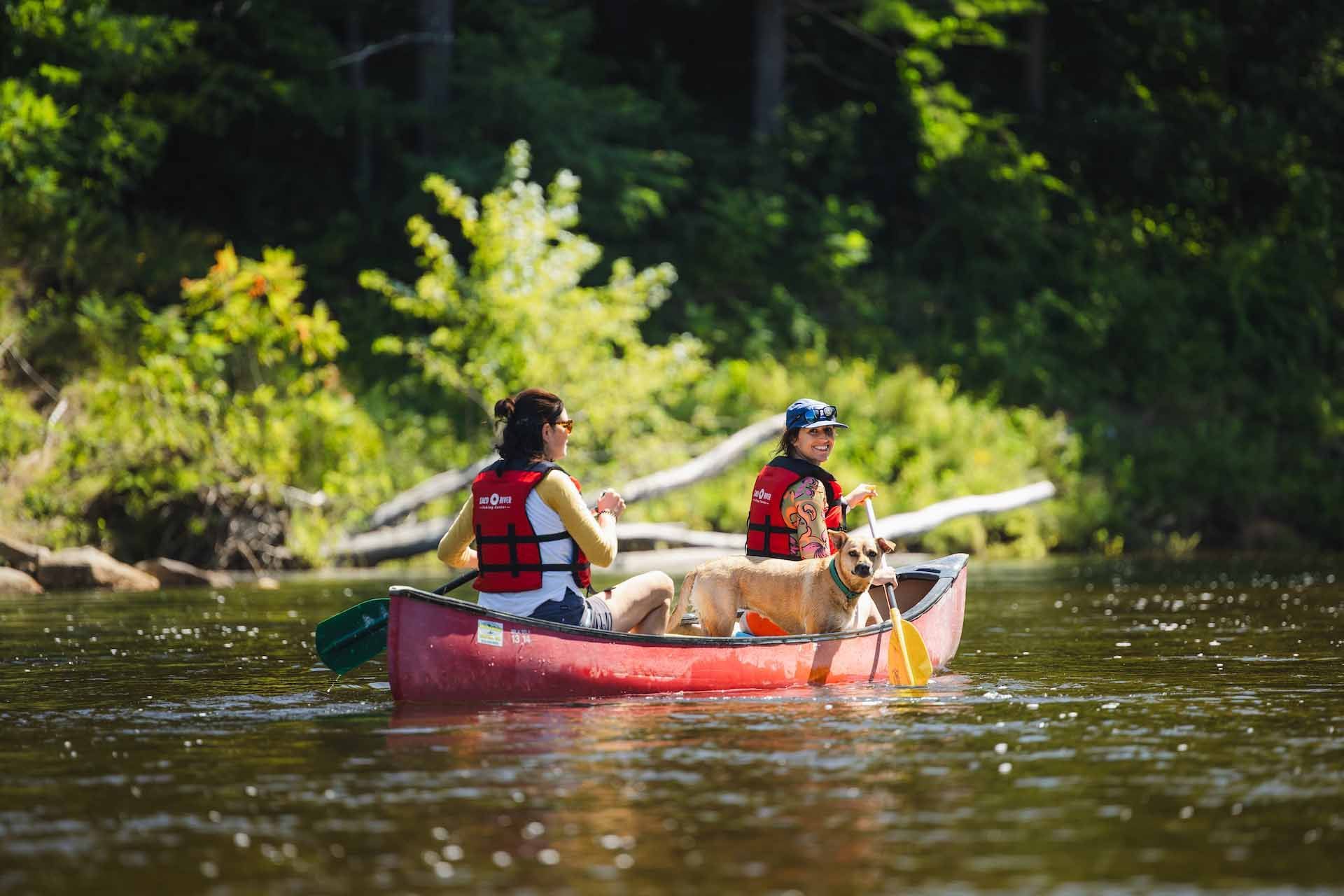
Water safety is the biggest difference between river camping and ordinary camping. Always wear a life jacket whenever you are on the water, even if you swim well. At the Saco, every participant receives a life jacket, and state law requires children twelve and under to wear them.
Beyond life jackets, watch children closely near the water and understand the current before anyone wades in. Pack a basic first aid kit for small scrapes and bug bites. Checking the river conditions page before you head out helps you avoid water that is moving too fast.
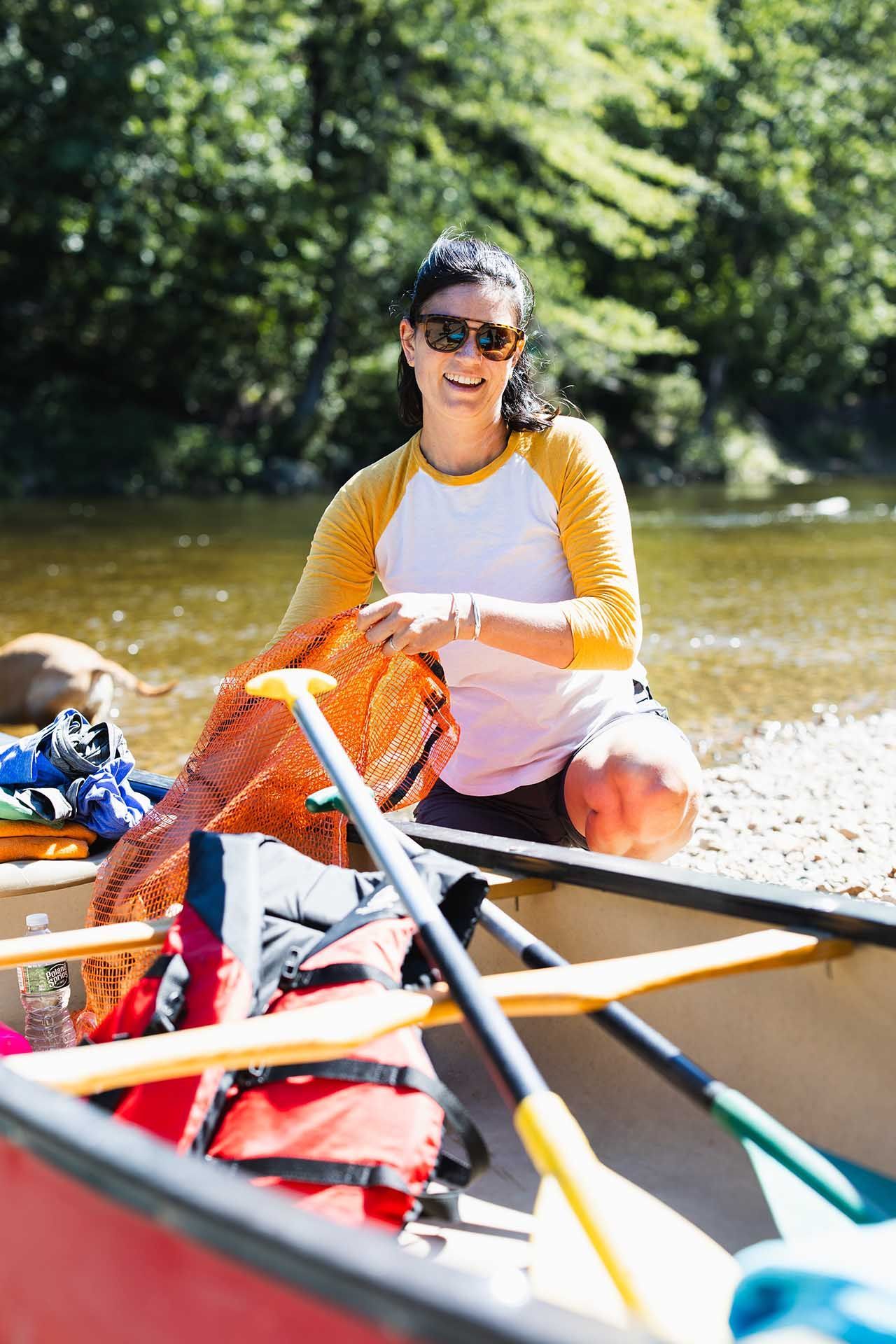
Always wear a life jacket on the water, even if you swim well.
Planning Your First Trip
Keep your first trip short and close to home so any forgotten item or small hiccup stays manageable. A nearby campground means you can adjust easily, and a brief overnight builds confidence without overwhelming you. Save the ambitious, far-flung adventures for after you have a trip or two behind you.
Book a managed campground early, since popular riverside spots fill quickly in warm months. Check the weather in the days beforehand and pack accordingly. A beach camping area with calm water makes planning simple, giving beginners a forgiving setting where the details fall into place naturally.
Ready to Camp Along the Saco River?
River camping really is approachable when you start with the right ingredients. A calm, beginner friendly river like the Saco, paired with simple gear and basic water safety, sets you up for a relaxing first trip rather than a stressful one. The hardest part is usually just deciding to go.
When you are ready to plan that first relaxed overnight, the friendly team along the Saco is happy to help. Reach out with any questions through the Saco River Tubing contact page, and start mapping out a calm, memorable introduction to camping by the river.