

Basic Techniques for Enjoyable River Tubing
Have you ever floated down a river, feeling the sun on your face and the gentle current pulling you along? River tubing is an exhilarating way to embrace the great outdoors. It's not just for thrill-seekers; anyone looking for a peaceful escape or a bit of adventure can enjoy it.
In river tubing, you sit comfortably in a large, doughnut-shaped tube and let the river's flow guide you. It’s the perfect blend of relaxation and excitement, ideal for beating the heat with a splash. Plus, you get to experience the scenic beauty of riverine environments firsthand.
So, why is river tubing becoming such a beloved summer activity? It’s all about the simple pleasures—cool water, warm sun, and good company. Let's dive into the techniques that can make your tubing experience safe and enjoyable.
Essential River Tubing Techniques
Mastering a few basic river tubing techniques can make your tubing experience much more fun!
#1: Using Hands for Navigation
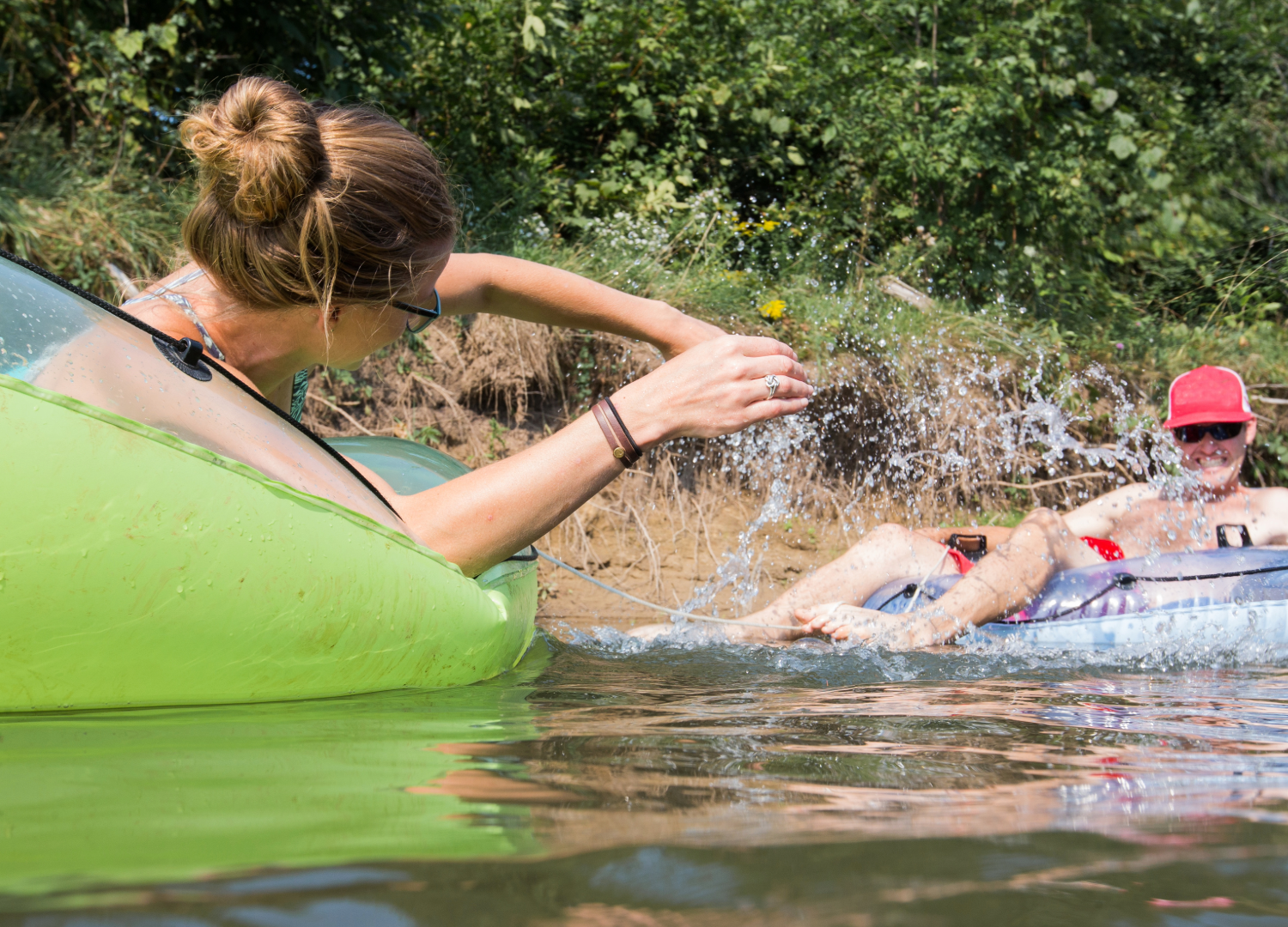
Your hands serve as your primary tools for navigation in the absence of paddles. By extending your arms outside the tube and using a cupping motion, you can effectively propel and steer yourself. This technique allows you to adjust your speed and direction, helping you navigate through calmer waters or steer clear of nearby tubers.
#2: Leg Techniques for Steering and Stability
Leg positioning is crucial for maintaining stability and steering in river tubing. By extending your legs forward, you can use your feet to push off the riverbed or rocks to alter your course or avoid obstacles. This method not only helps in steering but also in maintaining a stable, upright position in your tube.
#3: Body Positioning for Optimal Control
Adjusting your body position is a subtle yet effective way to control your movement. Leaning back slows your momentum, while leaning forward can increase your speed. This technique is particularly useful in managing your pace when approaching rapids or navigating around bends in the river.
#4: Group Tubing: Tips for Linking and Socializing
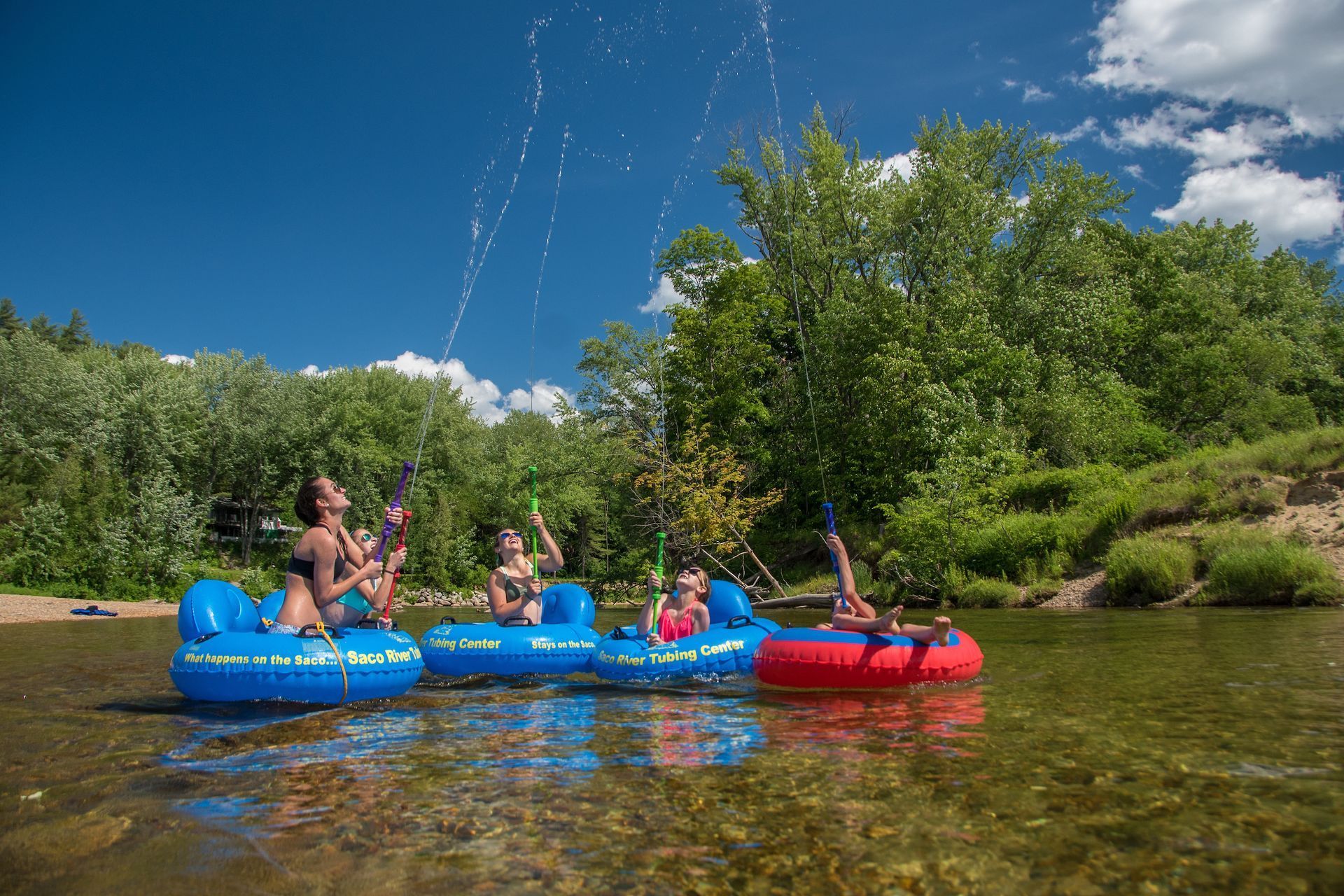
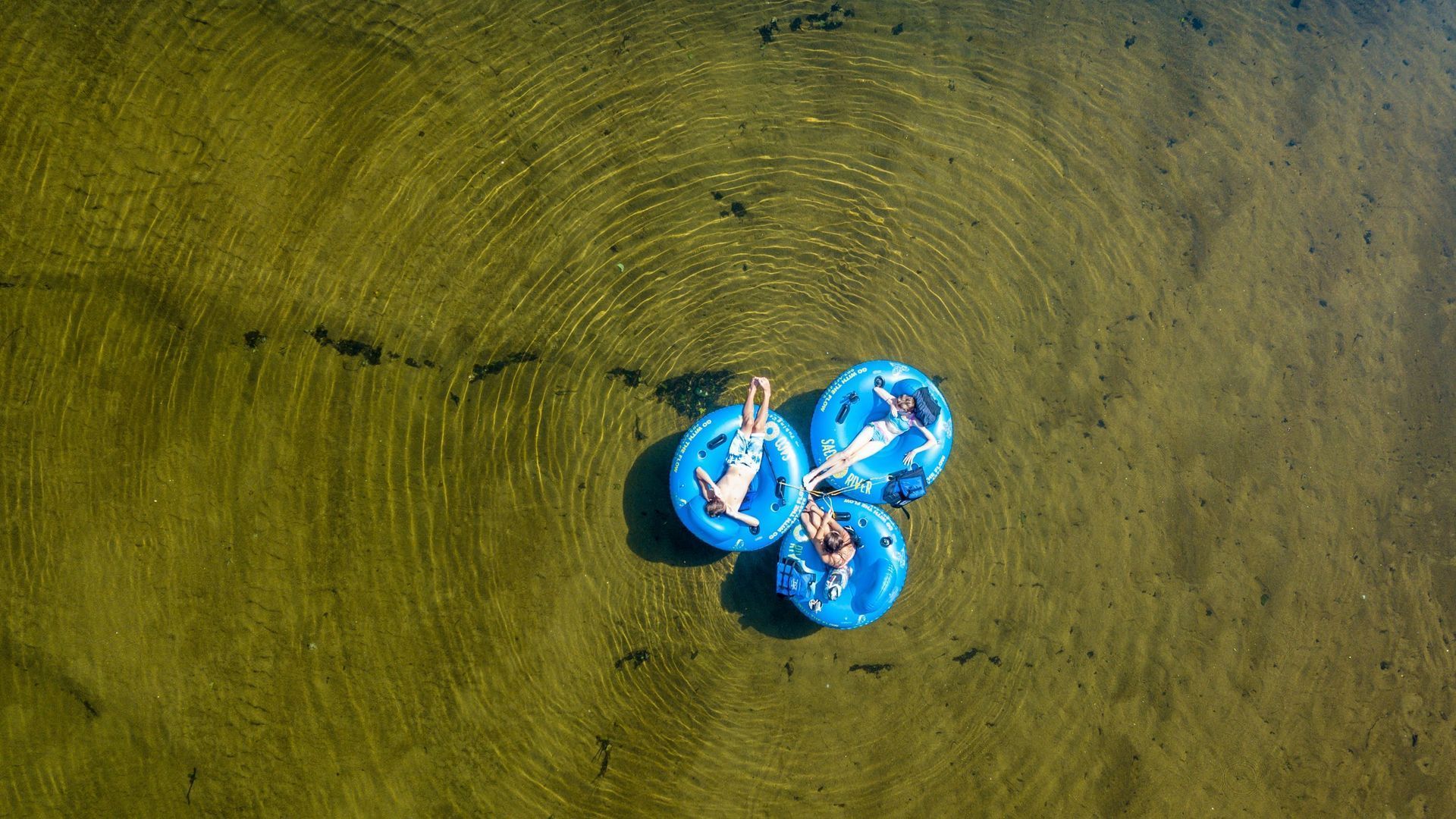
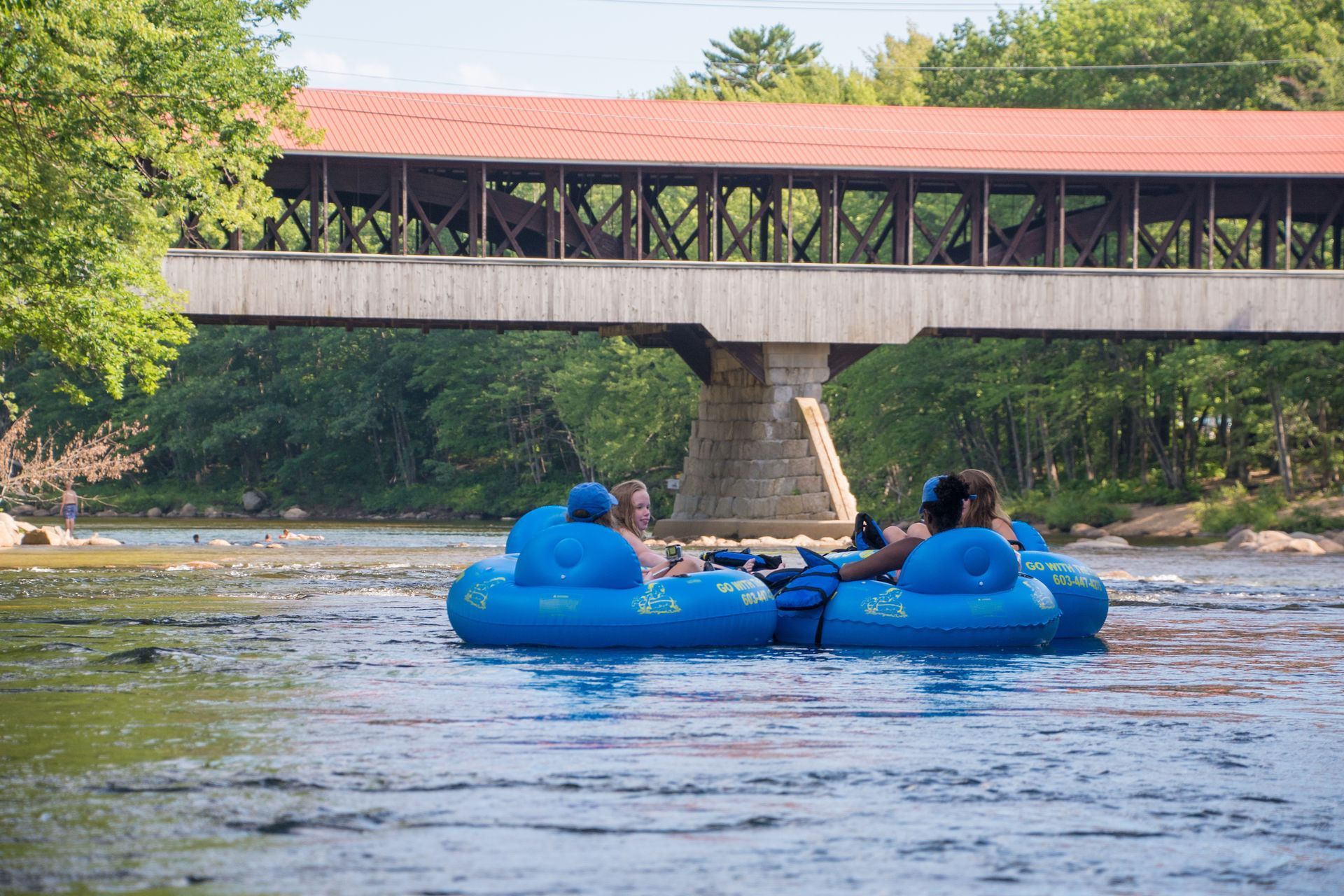
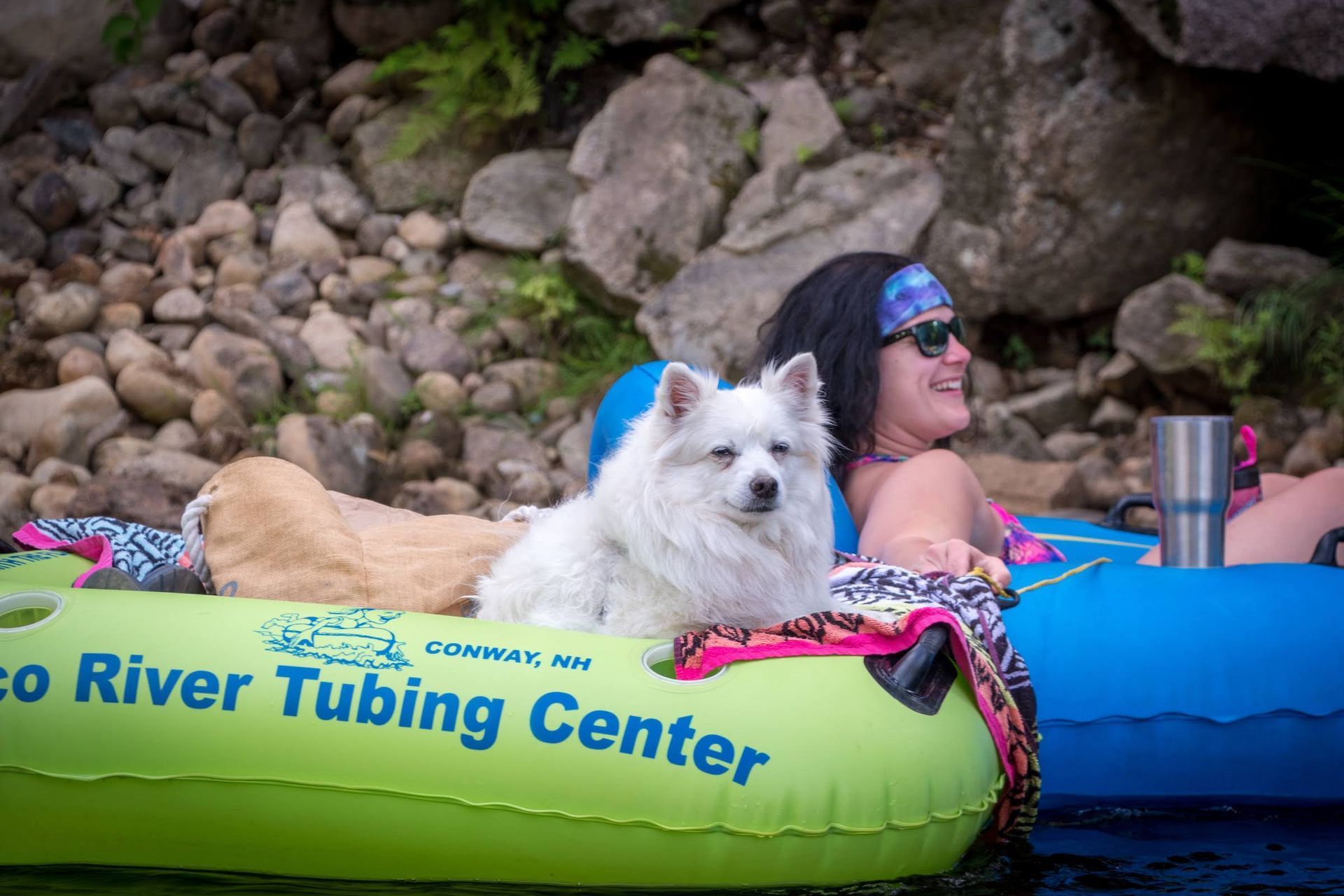
Tubing in groups can enhance the social aspect of your river adventure. Linking tubes through ropes or connectors allows families and friends to stay together, share supplies, and communicate easily. However, it's important to consider the river's flow and traffic; linking should be avoided in fast-moving sections where it can reduce maneuverability and increase the risk of collisions.
Choosing the Right Equipment for River Tubing
Picking the right tube is crucial for your river adventure. Look for one that’s both durable and comfortable—think thick, puncture-resistant vinyl with a smooth inner seam to prevent irritation. Some tubes even come with built-in cup holders and mesh bottoms for those long, lazy drifts down the river. Isn’t it nice to float without a care in the world?
For more information read our article on Types of River Tubes
CHOOSING THE RIGHT EQUIPMENT FOR RIVER TUBING
Before you hop into your tube, take a moment to understand the river's current and depth. Awareness of your surroundings is key to avoiding hazards. Always keep a lookout for obstacles such as branches, rocks, or sudden shallow patches. Your hands and feet are instrumental in maneuvering around these obstacles, ensuring a smooth and safe passage.
For more information read our full guide for river tubing safety.
Conclusion
River tubing is a delightful way to explore nature and enjoy time with friends and family. By choosing the right equipment and mastering basic tubing techniques, you can ensure a safe and enjoyable experience. Remember to respect the natural environment and adhere to safety guidelines to make the most of your river tubing adventure. Whether you're seeking a calm drift or an active paddle, the river is yours to enjoy—tube on!