

How to Set Up the Perfect Riverside Campsite for a Big Group Trip
Twelve people, four cars, a mountain of gear on the sand, and about ninety minutes of daylight left. Somebody is hunting for tent poles, somebody else is asking where the cooler went, and nobody has decided where anything actually goes.
That scramble is avoidable. Groups who arrive with a site checklist, a zone layout, and a short list of jobs are usually sitting by the fire while everyone else unpacks. Here is the system, from choosing the spot to feeding the crowd.
Why Riverside Camping Suits Groups
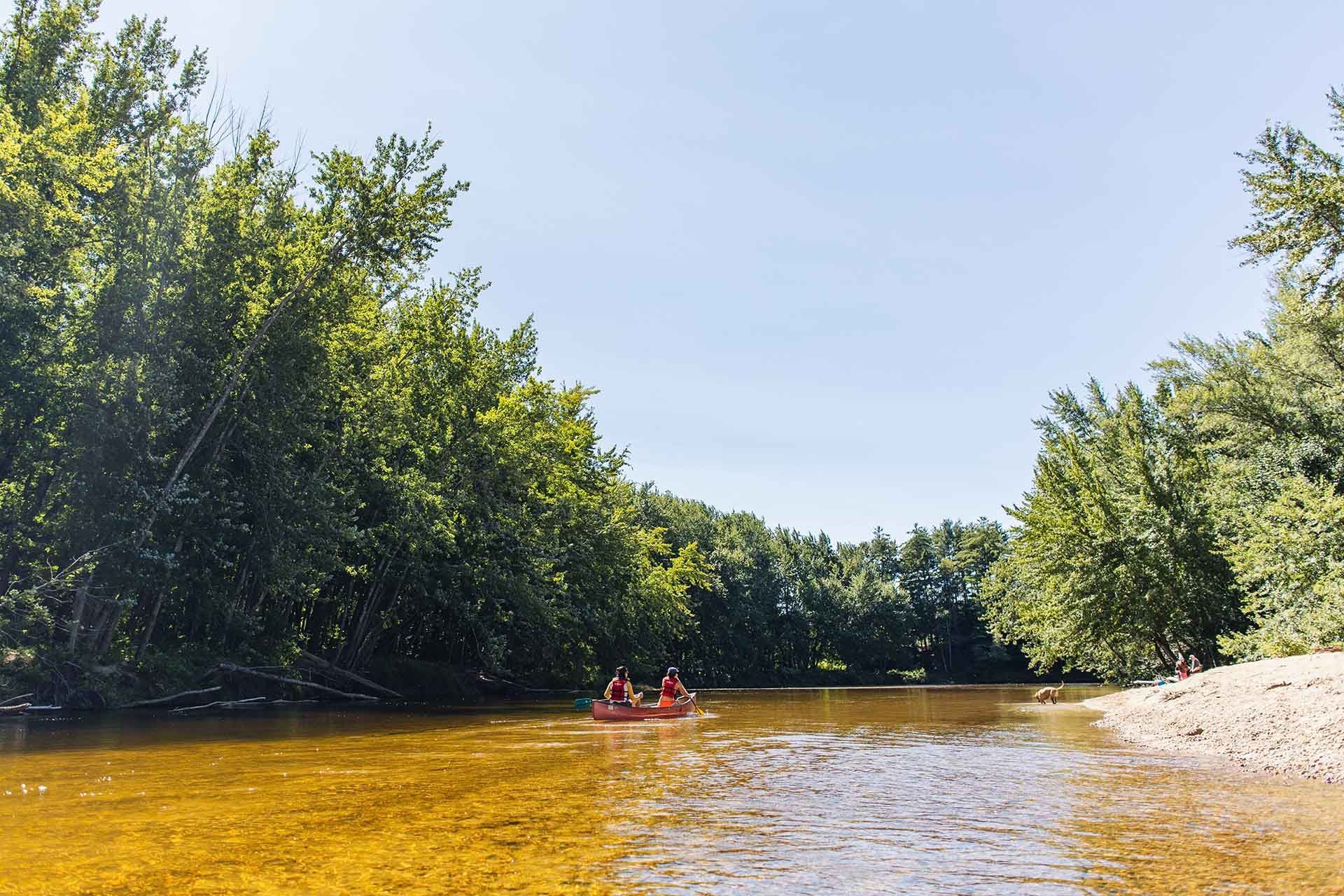
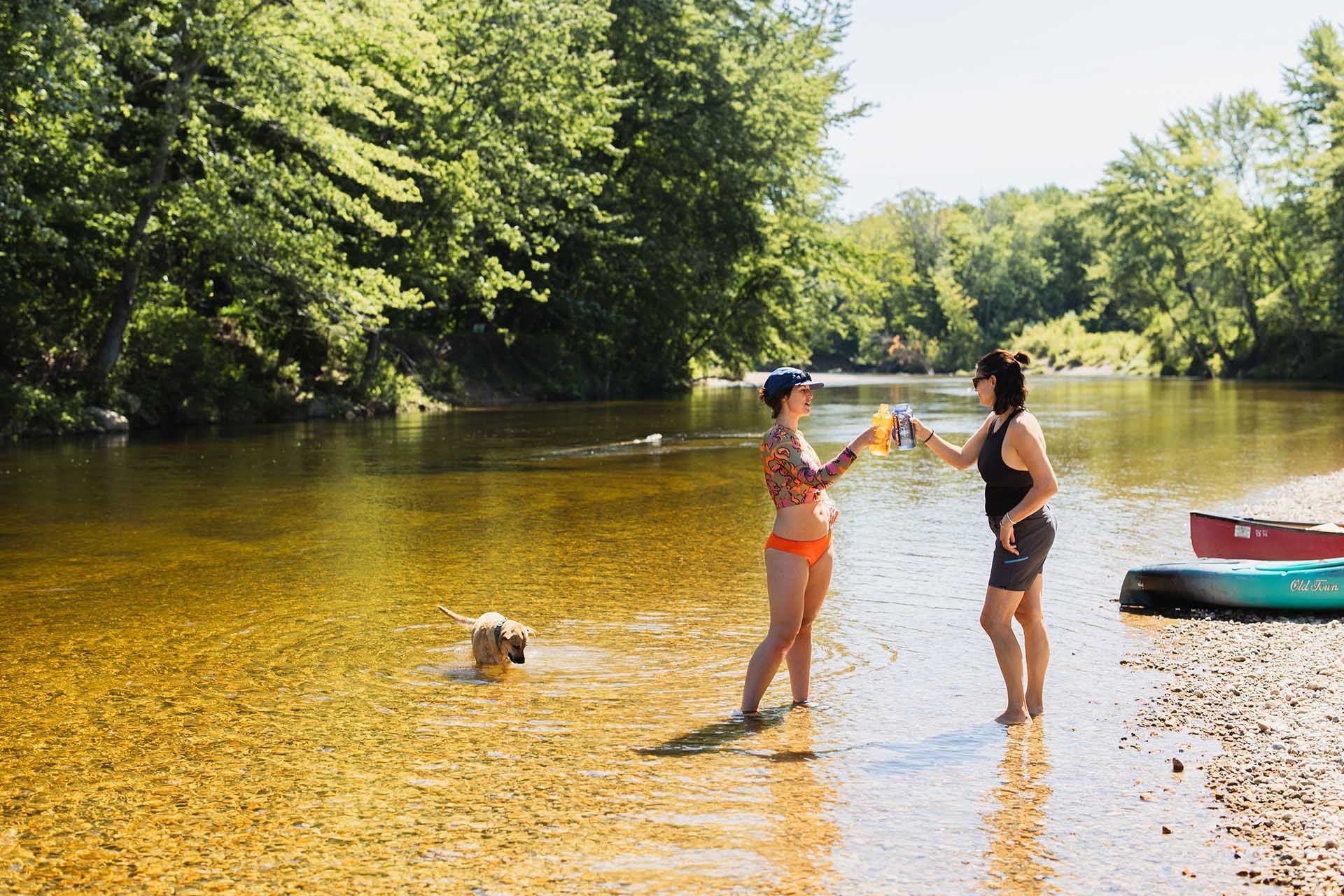
Camping by the river gives a large group something a wooded site rarely does, which is open space. Multiple tents fit without anyone pitching between trees, the swimming is ten steps away, and the water becomes the natural gathering point all weekend.
That same openness needs a plan. Sand, sun, and breeze are pleasant until twenty people spread gear across the whole beach with no order to it. Riverside camping tips are mostly about structure, deciding where things live before anyone unpacks.
Choosing the Right Riverside Spot
Site choice shapes everything that follows, including how dry you stay and how far you carry water. Three checks cover it. How the bank and water behave, whether the ground is level and drains, and what the shade, wind, and bugs are doing.
Reading the Bank and Water
Camp high and well back from the waterline. Rivers rise overnight after rain upstream, even when the sky above camp stays clear, so leave a generous margin. Then find one easy stretch of bank for climbing out with wet feet and full arms.
Level Ground and Drainage
Firm, level sand or gravel that drains is the goal. Avoid hollows and low spots that pool water in a storm, since a tent sitting in a puddle ends a weekend early. Keep tents slightly upslope of the kitchen so runoff moves away.
Shade, Wind, and Bugs
Morning shade with afternoon sun is the ideal combination, because nobody wants a tent that turns into an oven at seven in the morning. A light breeze keeps bugs moving along. Before pitching anything, look up and check for dead limbs overhead.
Mapping Out Your Camp Zones
Four zones separate a camp that works for twenty people from a beach covered in gear. The best campsite setup ideas start here. Sleeping, kitchen, fire, and storage each get a footprint, with walking room between them, agreed out loud before anyone unloads.
Sleeping Zone Set Back
Set tents back from foot traffic and well away from cooking smells. Space them out for a little privacy rather than lining them up shoulder to shoulder, and point every door the same direction so people can find their own tent after dark.
Kitchen and Cooler Station
The kitchen wants flat ground, downwind of the tents. Run separate coolers for food and drinks, because the drinks cooler gets opened forty times a day. Give utensils a fixed home, and set up hand washing where everyone will actually see it.
Communal Fire and Hangout Area
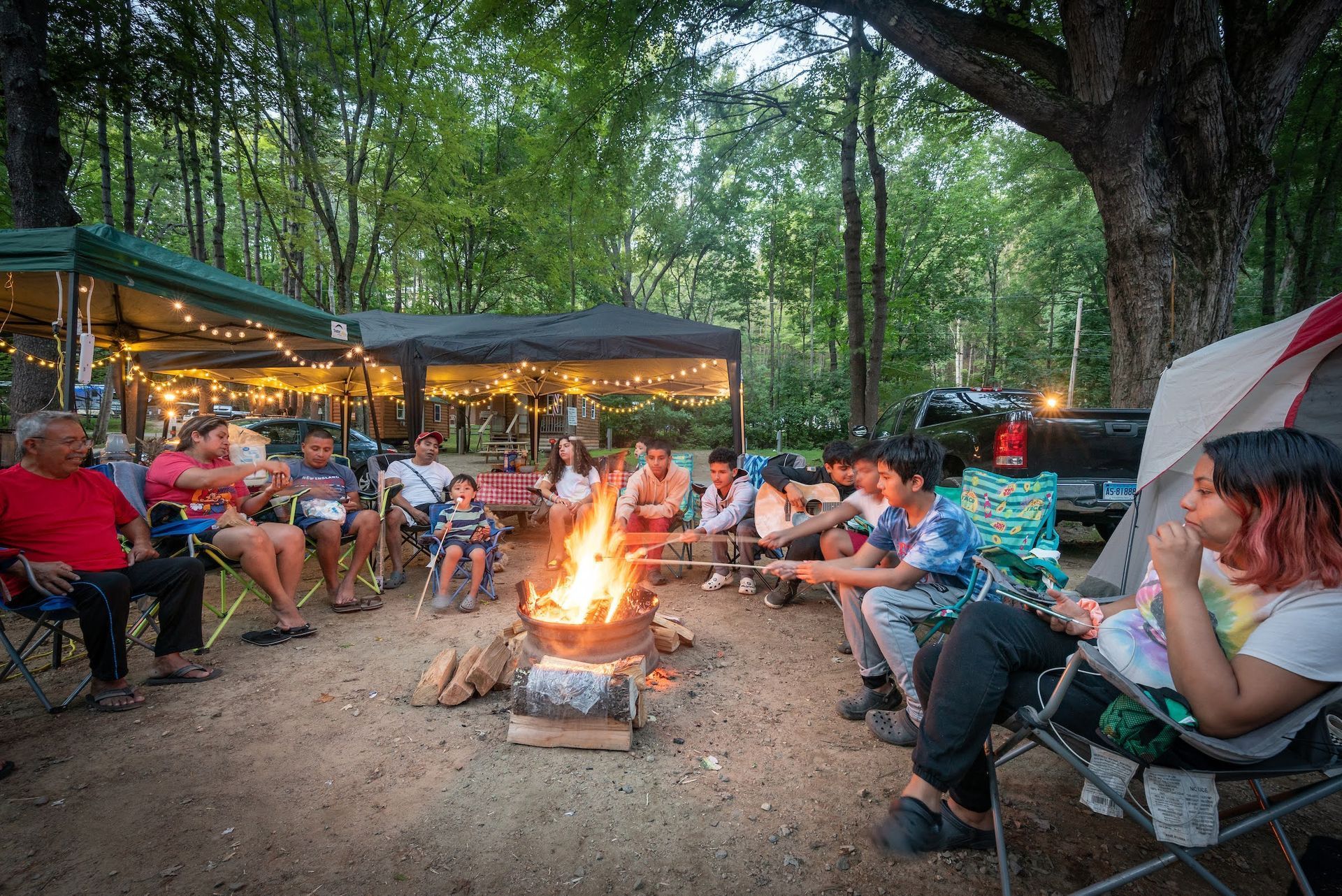
One circle big enough for the whole group beats two small ones that split everybody up. Position it so smoke drifts away from the tents, then add chairs, a shade cover for the afternoon, and lighting that does not rely on phone torches.
Gear, Wet Storage, and Trash
Wet things need a home. Give tubes, life jackets, and towels one dedicated spot, keep dry bags shaded and off the sand, and hang bagged trash from the first hour. Beach camping sites include bathrooms and picnic tables to build around.
Setting Up Camp in Order
Knowing how to set up a campsite is mostly a question of order. Stage every bag in one pile first so nothing wanders off, then mark the tent area and get shelters up while there is light. The rest can happen by headlamp.
- Stage all gear in one pile, back from the water.
- Mark the tent zone, then the kitchen and fire spots.
- Pitch every tent before the light goes.
- Build the kitchen and get the coolers shaded.
- Set the fire ring, chairs, and lighting last.
Sharing Jobs Across the Group
Nothing sinks a large trip faster than four people doing everything. Small teams of two or three, each owning one job, get camp running in half the time. The best group camping tips are really just delegation, agreed in the parking lot.
- Tent crew: marking the sleeping zone and pitching every shelter.
- Kitchen crew: coolers, stove, water jugs, and hand washing.
- Fire and wood: firewood, the fire ring, and refilling drinking water.
- Key keeper: car keys, permits, and the first aid kit.
- Cleanup: rotates nightly, so nobody scrubs pots twice.
Feeding a Crowd Riverside
One team per meal is the simplest system that scales. Each group cooks once and eats free the rest of the weekend, and nobody stands around waiting for a decision. Foil packets and dutch oven dishes stretch easily from eight servings to twenty.
Prep at home to save space and time. Chop, marinate, and portion into labeled bags, then pack coolers in reverse eating order so the last night's food sits at the bottom. A shared list stops three people buying the same buns.
Fire Safety and River Etiquette
Keep fires small and contained, check the local fire rules before anyone strikes a match, and never walk away from one still burning. Drown it fully at the end of the night, stir the ashes, then drown it again until it is cold.
Sound carries a long way over water, so keep evenings reasonable and respect quiet hours. All land along the Saco is private, so honor no trespassing signs and pack out every scrap. The river etiquette guide covers the rest of the basics.
Packing List for Group Camping
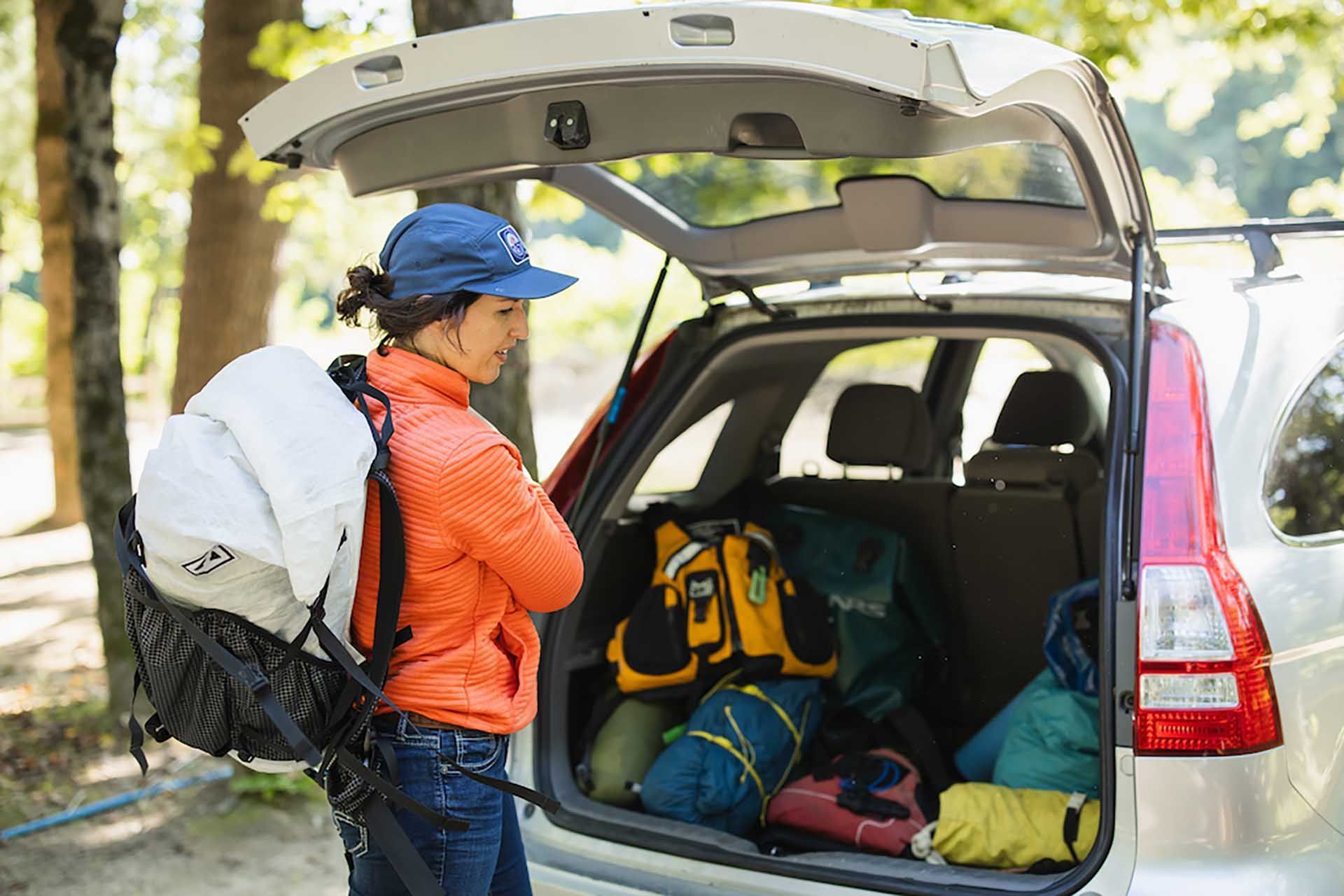
Large group camping ideas fall apart at the packing stage, when six households each bring a stove and nobody brings a lantern. Split the list into categories, then assign each shared item to one person. This camping packing list has the detail.
- Shelter and sleeping: tents, stakes, sleeping bags, pads, a spare tarp.
- Kitchen and water: stove, fuel, pots, utensils, water jugs, trash bags.
- Lighting: headlamps, lanterns, spare batteries, string lights for the hangout.
- Dry storage: dry bags, a tub for valuables, extra bin liners.
- First aid: kit, medications, sunscreen, bug spray, blister care.
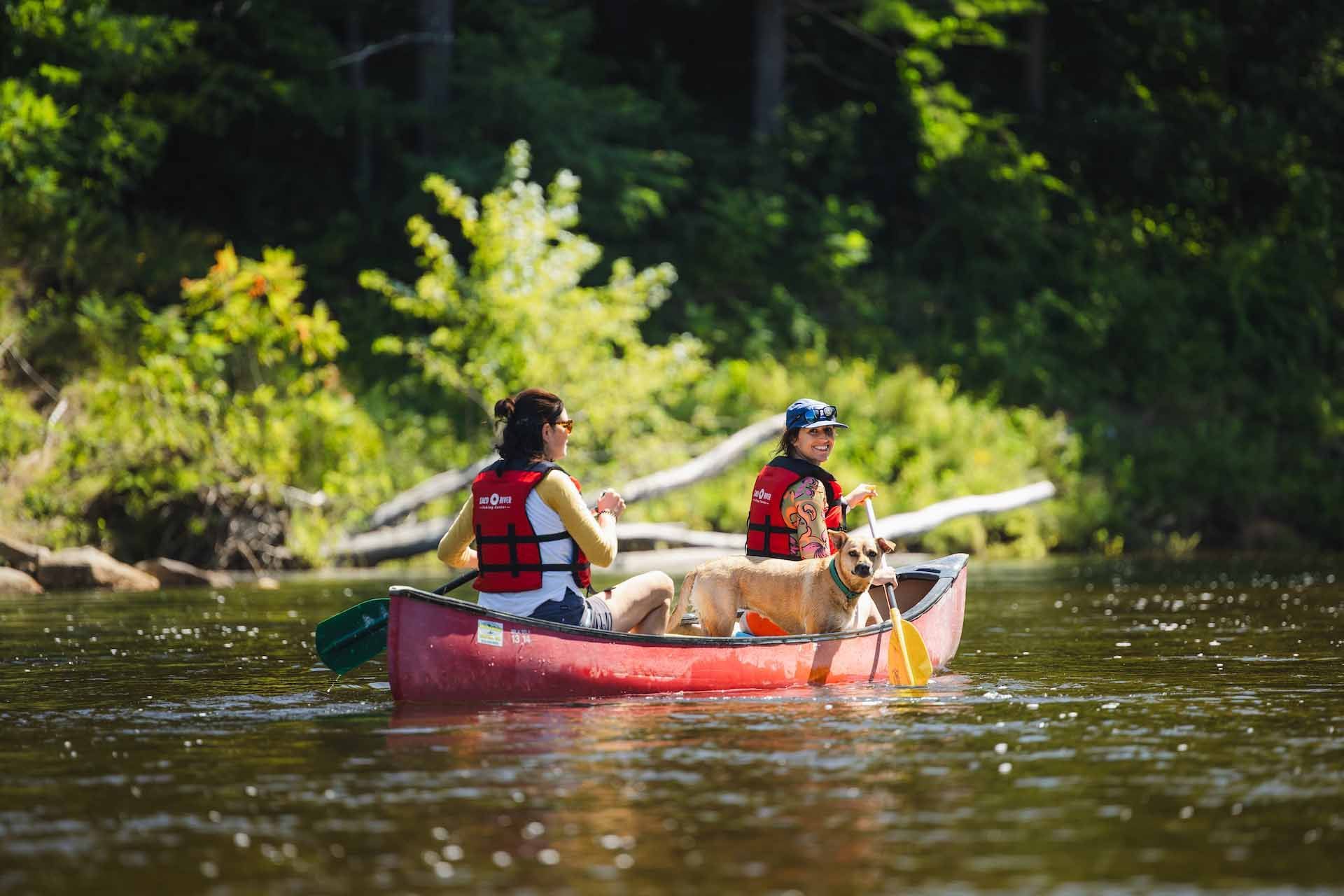
- River gear: life jackets, water shoes, towels, quick dry clothes.
Ready to Camp Beside the Saco?
A good riverside camp comes down to four decisions. A high, level site, four clear zones, a setup order everyone follows, and jobs shared out before the unpacking starts. Settle those in the first hour and the weekend runs itself.
The Saco has sandy beaches, shallow clear water, and camping a mile from North Conway, with shuttles and rentals that make adding a group float simple. Wondering what suits your group size or trip length? Get in touch and ask.