

When to Catch the Peak Fall Foliage in New England Towns This Year
Chasing peak fall color in New England is part planning and part luck. The trees do not check a calendar, and the difference between a hillside on fire and one that is half bare can come down to a single stretch of weather. Still, you can stack the odds in your favor.
This is a realistic guide to timing New England fall foliage, why the color moves the way it does, roughly when to aim for, and how to track the turn so you show up when the towns and valleys are at their best.
TLDR
- Foliage timing is part science, part luck, and it shifts every single year.
- Color generally moves north to south and from higher elevations down into the valleys.
- Cool nights and sunny days push the turn along, so weather matters as much as the calendar.
- Aim for the broad early-to-late fall window, but do not pin your trip to one exact week.
- Live foliage reports and maps beat guessing months in advance.
- Book lodging early, since leaf season is one of the busiest times in the region.
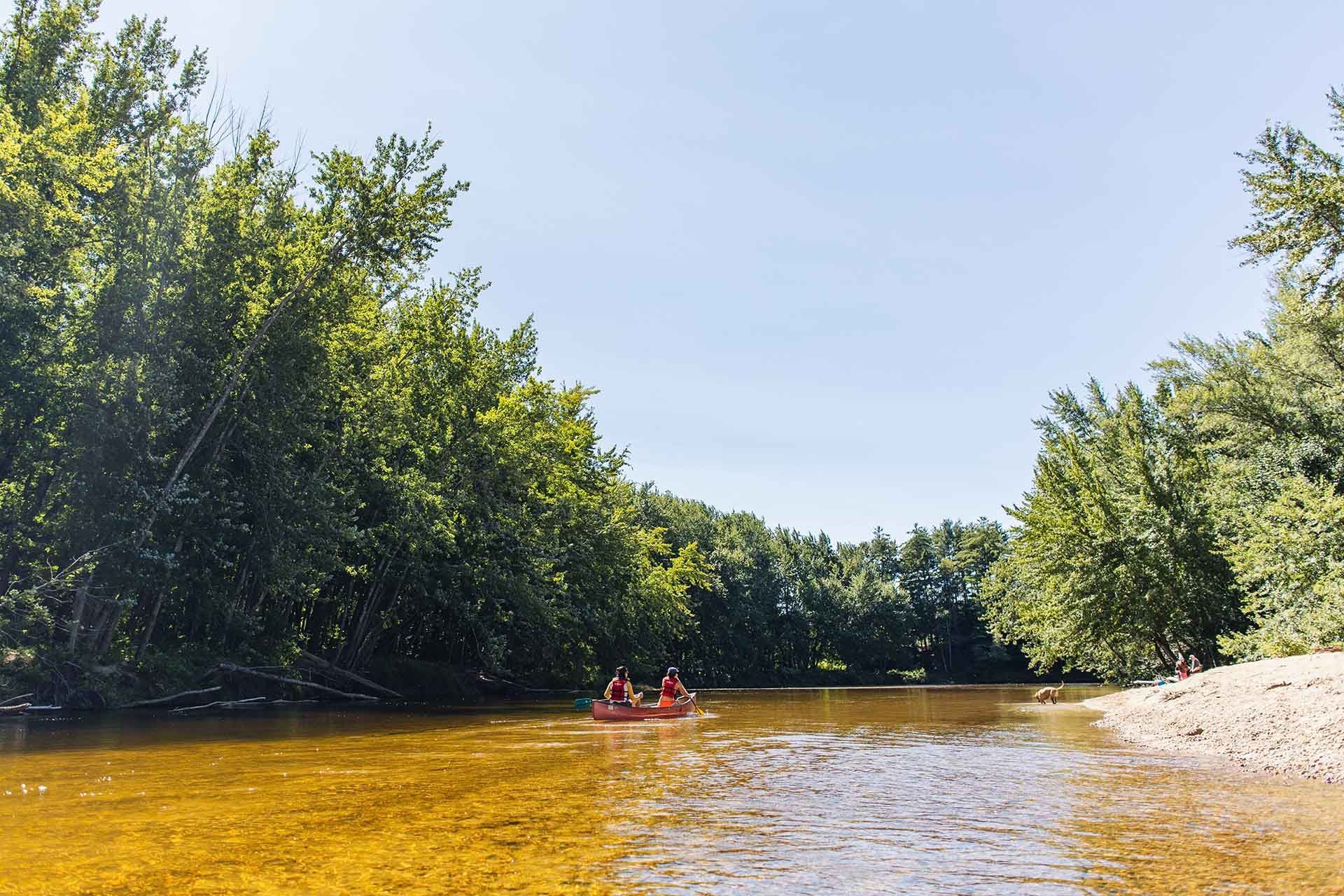
- A river paddle offers a quieter angle on the color than the packed scenic roads.
How New England Foliage Timing Works
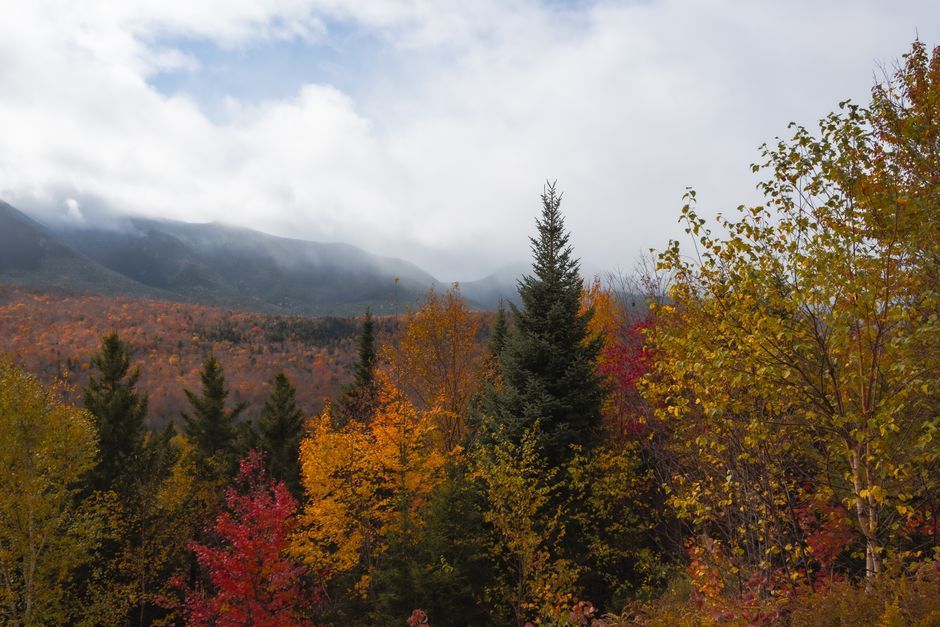
The color does not arrive everywhere at once. As a rule, it starts in the north and at higher elevations, then works its way south and down into the valleys over a few weeks. So the mountains can be glowing while the towns below are still green, which is actually good news, since it stretches your window if you are willing to move around a little.
Weather is the wild card. A run of crisp nights and sunny days brings the color on strong, while a warm spell or a big storm can slow it down or strip the leaves early. That is why no honest guide will hand you a guaranteed date. It changes every year, and chasing it is half the fun.
A Rough Window for Peak Color
If you need a target to plan around, think broadly rather than precisely. In the northern mountains the color tends to turn earlier in the fall, while the lower valleys and southern towns follow later in the season. That gives most of the region a peak somewhere across the heart of autumn, but which week hits perfectly is anyone's guess until it is close.
The practical takeaway is to give yourself a range, not a single day. If you can keep your plans a touch flexible, or pick a base with both high country and valleys nearby, you dramatically improve your odds of landing on great color.
How to Track It in Real Time
Once you are within a few weeks of your trip, stop guessing and start watching. State tourism offices and foliage trackers publish regular updates and maps showing where the color is turning, and local social feeds often post real-time photos. Those beat any long-range prediction hands down.
Use them to fine-tune. If the reports say the mountains are peaking early, point yourself uphill. If the valleys are lagging, give them another week. A little real-time intel turns a hopeful trip into a well-timed one.
Which Towns and Valleys to Base In
Where you base yourself matters, because a spot with variety nearby lets you follow the color instead of hoping it cooperates. New England towns set among mountains and river valleys are ideal, and it pays to book early since places to stay in North Conway and across the region fill up fast once leaf season arrives.
Seeing the Color From the Water
Everybody thinks scenic drive, but the roads get crowded at peak, and you spend half the time looking for parking. A quieter option is to get on the river, where the foliage reflects off the water and the crowds thin out. When conditions and the season allow, a beginner friendly kayak trip is a lovely way to take it in. Check the rates page for the current season, since the paddling window winds down as it cools.
Why the Mount Washington Valley Shines
For a fall base that covers all the bases, it is hard to beat the Mount Washington Valley. You have got real mountains for early high-elevation color, a river running through the middle of it, and walkable towns for the days you just want to wander and eat. It is one of the reasons the Saco as a New England destination holds up so well in autumn.
Frequently Asked Questions
When does the color usually peak?
Somewhere across the heart of fall, but it genuinely shifts every year with the weather and moves by elevation, so there is no fixed date to circle. Watch the live foliage trackers as your trip approaches and plan a range rather than a single day.
Can I still paddle in the fall?
Often yes, while the season is still open and conditions allow, though the water runs cold. Check the rates page for the current season and the river conditions before you plan a fall paddle, since nobody can promise the water will be running.
Where do I check current foliage?
State tourism foliage trackers and maps are your best bet, along with local social media feeds posting fresh photos. They reflect what is actually happening on the ground far better than any early forecast.
Is the river too cold in fall?
The water is noticeably colder in fall, so layers and quick-dry clothing matter more than in summer. Life jackets are provided, there are no lifeguards, and conditions vary, so dress warm and check before you go.
How early should I book lodging?
As early as you can. Leaf season is one of the busiest stretches of the year across New England, and the best places in the popular valleys book out well in advance.
Ready to Plan Your Leaf Season Trip?
Time it with a flexible window, watch the trackers, and pick a base with variety nearby, and you will catch the color at its best. If you want to fold a fall paddle into the trip, you can talk to the river team about timing and options.